

Samsung Electronics East Africa has today unveiled Samsung Digital Classroom, an integrated education solution designed to support Kenya’s digital learning agenda by enabling schools to deliver connected, secure, and collaborative learning experiences.
Bringing together Knox for Classrooms, Samsung Tablets, and Samsung Interactive Boards, the solution equips education institutions with the tools to enhance teaching, simplify classroom management, and scale digital learning across schools.
As Kenya continues to embrace technology in education through the Competency-Based Curriculum (CBC) and broader digital transformation initiatives, schools are increasingly seeking solutions that go beyond device access to improve classroom engagement, simplify technology management, and deliver measurable learning outcomes. At the same time, governments, school owners, and education stakeholders are looking for sustainable digital learning models that can be deployed, managed, and scaled efficiently across institutions.
Designed to support the evolving needs of modern learning environments, Samsung Digital Classroom integrates classroom management, device security, and collaborative teaching tools into one connected ecosystem. The solution empowers teachers to manage lessons more effectively while enabling schools to centrally deploy, monitor, and manage learning devices across classrooms.
At the heart of the solution is a connected Samsung ecosystem that seamlessly links Samsung Tablets and Samsung Interactive Boards, enabling teachers and learners to move effortlessly between devices throughout the learning experience.
Teachers can present lessons on the Interactive Board, instantly share content to learner tablets, monitor classroom participation, conduct quizzes and assessments, and provide immediate feedback — all from a single platform powered by Knox for Classrooms.

The Interactive Display serves as the collaborative hub of the classroom, while Samsung Tablets enable learners to access digital content, complete assignments, and participate in classroom activities. Powered by Knox for Classrooms, schools can securely deploy, monitor, and manage learner devices at scale, giving administrators greater visibility and control over their digital learning environments.
For governments, education institutions, and school leaders investing in digital learning, the solution offers a secure and scalable approach to implementing connected classrooms across multiple schools and campuses. By integrating classroom management, interactive learning tools, and enterprise-grade security into a single ecosystem, Samsung Digital Classroom supports more effective teaching while helping institutions maximize the value of their technology investments.
The solution is designed to support learning across primary schools, secondary schools, tertiary institutions, and technical training centers. It also gives parents greater confidence that classroom technology is being used in a structured, secure, and education-focused environment — one where learners remain engaged and teachers retain control of the learning experience.
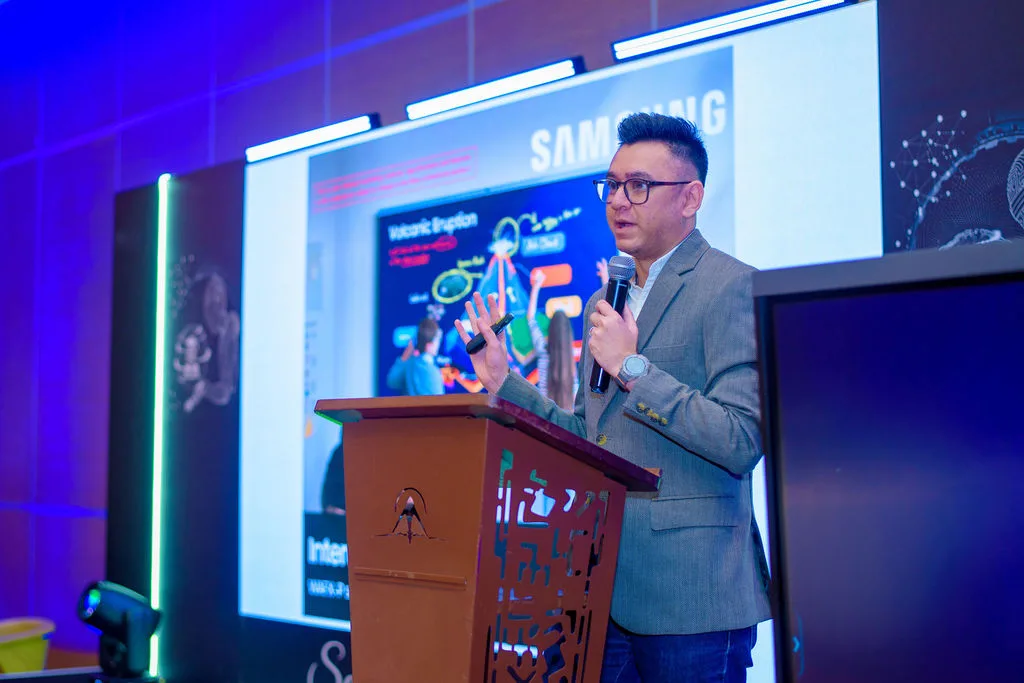
Speaking during the launch, Anthony Njihia, Mobile Experience B2B Manager at Samsung Electronics East Africa, said education technology should empower the entire learning ecosystem, from policymakers and school leaders to teachers, parents, and learners.
“Kenya has made significant progress in advancing digital learning, and the next phase is ensuring that technology delivers impact in the classroom,” he said.
“Samsung Digital Classroom has been designed to help education institutions create connected learning environments that are secure, collaborative, and easy to manage — freeing teachers to focus on what matters most: delivering quality education and improving learner outcomes.”
Njihia noted that as governments and institutions continue investing in education technology, there is an opportunity to move beyond standalone devices towards integrated digital learning ecosystems that support long-term transformation. “Digital transformation is most successful when technology works seamlessly for everyone involved,” he said.
“Teachers need tools that simplify lesson delivery, assessments, and digital learning content. School administrators need visibility and control over devices. Parents want confidence that technology is supporting learning. And governments need scalable solutions that can be deployed sustainably. Samsung Digital Classroom brings these elements together in one integrated ecosystem to help build classrooms that are ready for the future.”
Samsung Electronics East Africa said it will continue working with education institutions, government agencies, and ecosystem partners to support the adoption of technology that enhances teaching, strengthens digital literacy, and prepares learners with the skills required for an increasingly digital economy.
The launch forms part of Samsung’s “The Future of Learning Starts Here” campaign, an initiative that seeks to drive conversations around the future of education while showcasing how connected technology can help build smarter, more inclusive, and future-ready classrooms across Kenya.